2026-11-27
Why a Cracked Bone May Not Show Up on X-Ray | Ansan Orthopedics
Learn why a cracked bone may not show on the first X-ray, how doctors check for hidden fractures with exams and 128-slice CT, and when to get a follow-up.

Why a Cracked Bone May Not Show Up on X-Ray | Ansan Orthopedics
Hello.
This is Ace Hospital in Ansan,
where a team of 20 medical professionals provides care together.
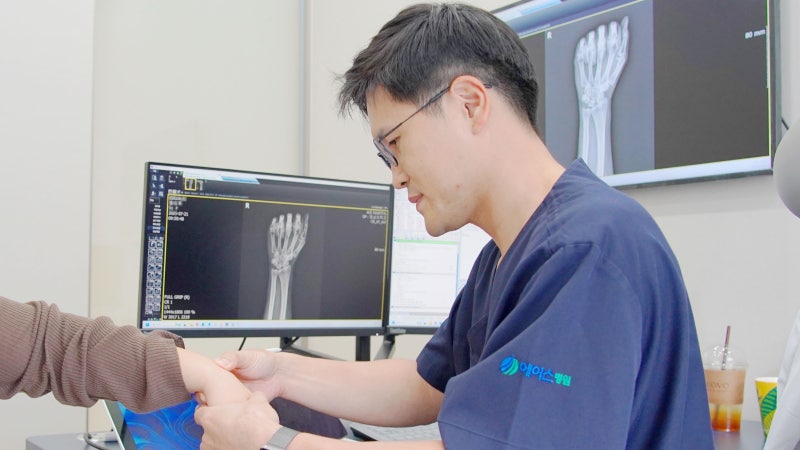
They said the images looked fine, but it still hurts. I was told it was a sprain, but two weeks later it's exactly the same.
Some patients at Ansan Orthopedics
were told their X-rays looked normal,
but their pain persisted,
so they came back to see us again.
Even if a bone has a crack,
the fracture may not be visible
on the first X-ray image.
A minor fracture that has not shifted
can be hidden behind other bones,
so we set a separate timing and method for re-examination.
Let's look at when a re-examination is needed
and what treatment options are available.

Is recovery different for a sprain and a cracked bone?
Right after an injury, the pain and swelling can look similar,
but the recovery pattern changes over time.

· In the case of a sprain
swelling and pain ease over several days,
and it becomes easier to put weight on the foot within one to two weeks.
· In the case of a cracked bone
pressing on a specific spot causes distinct pain,
and pain returns to the same area every time you put weight on it.
· In the case of a torn ligament
the joint feels unstable,
and the swelling does not go down for a long time.
We check how long it has been since the injury
and how the symptoms have changed.
If the pain is unchanged after two weeks,
or has gotten worse,
the injured area should be checked again.
We also look at which direction the bruising spreads,
and how quickly the swelling
goes down.
Sometimes it feels walkable at first,
but a few days later,
the pain can get worse.
This happens when the cracked area gradually separates,
and the pain becomes clear only later on.
However, a pattern like this alone
cannot confirm whether there is a fracture.
At Ansan Orthopedics,
we check your posture at the time of the injury and the painful area,
and make a judgment after reviewing the test results together.

How are fractures that don't show up on X-ray confirmed?
During the exam, we press along the bone
to find the painful area,
and check how far the swelling and bruising have spread.
We also check whether you can bear weight
and whether there is any limitation
when moving the joint.
Based on the examination results,
we decide which area to image.
X-ray passes radiation through the body in one direction
and captures the body's internal structures in a single image.
For this reason, a minor fracture that has not shifted
can be hidden behind overlapping bones.
This is especially true in areas where multiple bones overlap,
such as the wrist, ankle, or ribs.
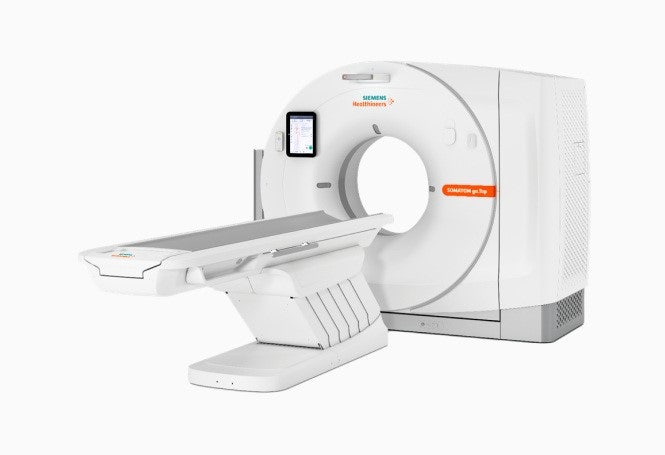
At Ansan Orthopedics, when necessary,
we check the following with a 128-slice CT scan.
· How far the fracture line extends
· Whether bone fragments are displaced
· Whether the fracture reaches the joint surface
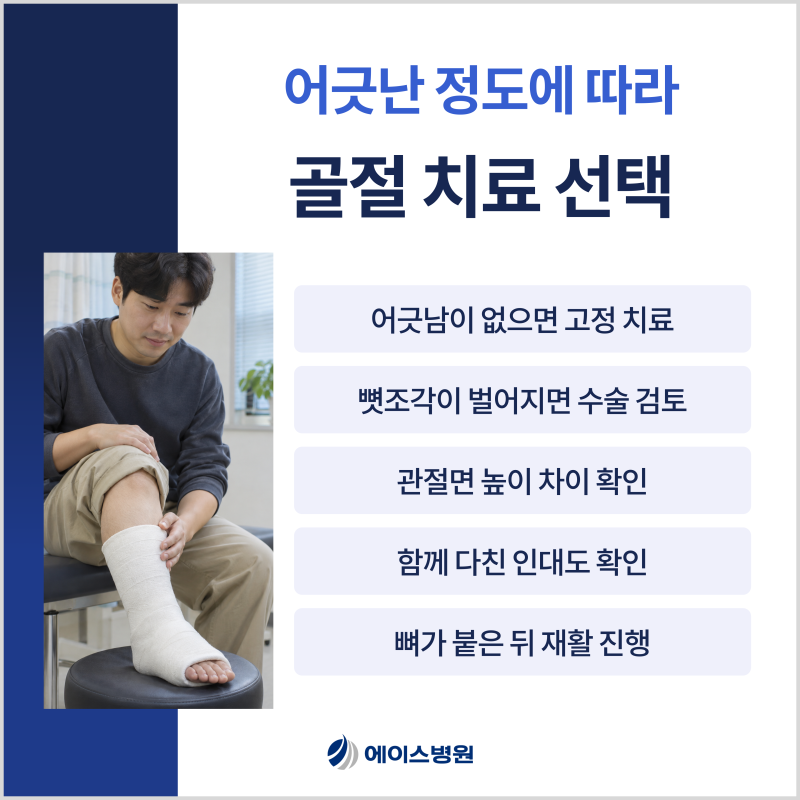
After confirming a fracture, how is the decision made between immobilization and surgery?
Once the location of the fracture and the degree of displacement
are confirmed on imaging,
we decide on treatment by reviewing joint surface involvement
and the examination results together.
If the bone is not displaced,
we immobilize it so it does not move
and wait for the bone to heal.
While maintaining a splint or cast,
we take X-rays at set intervals to check recovery.
On the other hand, if bone fragments are separated,
surgery to realign and fix the bone is considered.
This is because if the bone heals out of alignment,
a deformity may remain.
If the fracture extends into the joint surface,
we examine it even more carefully
to make sure the joint surface lines up evenly.
If a height difference remains,
the affected area may wear down sooner over time.
If ligaments are also damaged,
we check the condition of the ligaments
while realigning the bone.
Even after the bone has healed,
pain can return if the joint remains unstable.
When surgery is needed,
we reconstruct the fracture site in 3D
and plan the procedure.
Based on the shape and direction of the bone fragments,
we determine where and how to align the bone.

The time it takes for a bone to heal
depends on the injured area and age.
For bones that bear weight, we monitor progress
more closely over a longer period,
and after immobilization, we begin rehabilitation
to restore stiff joints and weakened muscles.
We offer specialist consultations for fractures and trauma,
365 days a year, 24 hours a day.
If you're unsure whether you need to come in
after an injury at night or on a holiday,
please describe your symptoms over the phone.
We will guide you according to your condition.
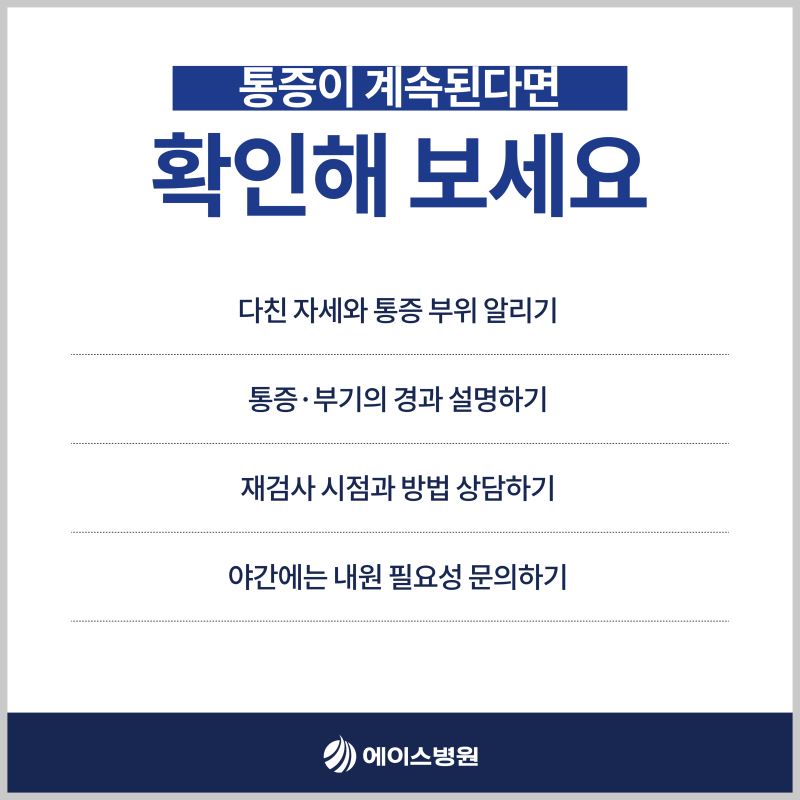
If the pain continues after your first exam
If it hurts when you press on one spot,
or the pain continues when you put weight on it,
please tell us at your visit to Ansan Orthopedics
about your first imaging results and how your symptoms have changed.
This helps us check again
whether there is any injury
that was not clearly visible in the first images.
Thank you for reading this long post.
Sincerely, Ace Hospital, Ansan.


Please take a moment at Ace Hospital,
a hospital specializing in joint and spine care,
to check the condition of your body.
If you're looking for more information on joints and spine,
or more diverse content,
please visit the Ace Hospital YouTube channel
and watch related videos.
▼▼ Link ▼▼
Frequently Asked Questions
Can a bone be cracked even if it doesn't show up on X-ray?
Yes, it can. Even if a bone is cracked, it may not be visible on the first X-ray, and a minor fracture that has not shifted can be hidden behind other bones.
How is a sprain different from a cracked bone?
Right after an injury, the two can look similar, but recovery patterns diverge over time. With a sprain, swelling and pain ease over several days. With a cracked bone, pressing a specific spot causes distinct pain, and pain returns to the same area each time you put weight on it.
When should I get a follow-up exam?
If the pain is unchanged or worse after two weeks, a follow-up exam may be needed. Telling us about your first imaging results and how your symptoms have changed at your visit helps us check again for any injury that was not clearly visible on the first images.
How are fractures that don't show up on X-ray confirmed?
We begin with a physical exam, pressing along the bone to locate the painful area and checking how far the swelling and bruising have spread. We also assess whether you can bear weight. When necessary, a 128-slice CT scan is used to check the fracture line, displacement of bone fragments, and whether the fracture involves the joint surface.
Does a confirmed fracture always require surgery?
No. Treatment depends on whether the bone has shifted. If the bone is not displaced, it is immobilized so it does not move while it heals. If bone fragments are separated, surgery to realign and fix the bone may be considered.
How long does it usually take for a bone to heal?
It varies depending on the injured area and age, so it is difficult to give a single answer. Bones that bear weight are monitored more closely over a longer period. After immobilization, rehabilitation is carried out to restore stiff joints and weakened muscles.